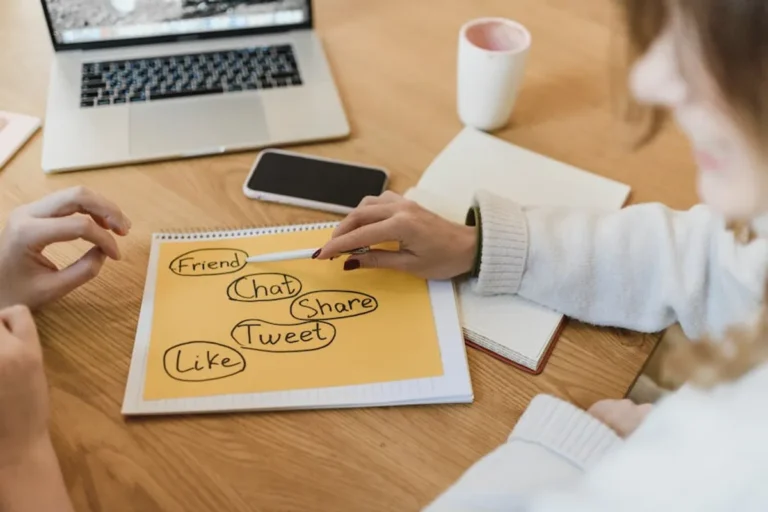

Selecting the right couple hashtag for an event extends beyond mere personalization; it's a strategic decision influencing content aggregation, guest engagement, and post-event discoverability. A well-chosen hashtag functions as a unique identifier, consolidating user-generated content from various social platforms into a single, searchable stream. For event planners, marketers, and couples themselves, the objective is to create a hashtag that is memorable, unique, and effectively promotes the event's narrative, while also being practical for guests to use. The challenge lies in balancing creativity with clarity, ensuring the hashtag is not easily misspelled, already in use, or overly complex. This guide explores various approaches to couple hashtag creation, providing a framework for selecting an option that aligns with specific event goals and audience expectations. This is especially true when organizing a social media campaign, where a clear hashtag can unify diverse content streams.
How to Choose Your Couple Hashtag
Effective couple hashtags are not accidental; they result from a deliberate process considering several key factors. First, uniqueness is paramount. A quick search across major social media platforms will reveal if a proposed hashtag is already in circulation, potentially diluting your event's content. Second, memorability and ease of use directly impact adoption rates. Complex spellings, excessive length, or obscure references reduce the likelihood of guests using the hashtag correctly and consistently. Third, relevance to the couple's names, event theme, or shared history ensures authenticity and strengthens the emotional connection. Finally, consider the event's tone—whether formal, whimsical, or traditional—to ensure the hashtag complements the overall atmosphere. A strategic hashtag is a tool for content amplification, not just a decorative element.
1. Classic & Timeless Hashtags
This category encompasses hashtags that prioritize clarity, tradition, and broad applicability. They often combine the couple's last names, or a combination of first names, with a simple, direct descriptor of the event. The strength of these hashtags lies in their straightforward nature, making them easy for guests to remember and use without confusion. They are particularly effective for formal events where a dignified and unambiguous identifier is preferred. The focus is on enduring relevance rather than trending novelty.
Best For: Formal weddings, engagement parties, anniversaries, or any event where a sophisticated and easily recognizable identifier is desired. Ideal for couples seeking a traditional and universally understood approach.
Pros:
- High memorability due to simplicity and directness.
- Low risk of misspellings or confusion among guests.
- Professional and elegant appearance, suitable for formal invitations and event branding.
- Easy to check for uniqueness, minimizing content fragmentation.
Cons:
- Potentially less creative or unique compared to more elaborate options.
- May be less engaging for audiences seeking playful or highly personalized elements.
- If common last names are involved, uniqueness can be a challenge without adding a year or specific date.
Verdict: A reliable choice for events prioritizing clarity and tradition. While they may lack avant-garde flair, their effectiveness in content aggregation and guest adoption is consistently high due to their inherent simplicity and directness. Ensure uniqueness by adding a year if names are common.
2. Playful & Punny Hashtags
Playful and punny hashtags inject humor and personality into event branding. These options leverage wordplay, rhymes, or clever twists on common phrases, often incorporating the couple's names or event theme. Their appeal lies in their ability to evoke smiles and create a lighthearted atmosphere, encouraging guests to engage with a sense of fun. This approach is particularly suited for events with a relaxed, informal, or whimsical tone, reflecting the couple's playful dynamic.
Best For: Casual weddings, engagement parties, bridal showers, or events where the couple's personality is vibrant and humorous. Ideal for those who want their event to feel approachable and memorable through wit.
Pros:
- Highly memorable and shareable due to their cleverness.
- Reflects the couple's personality and event tone effectively.
- Encourages higher guest engagement and enthusiasm for content sharing.
- Can generate buzz and stand out in a crowded social media feed.
Cons:
- Risk of being misunderstood or not universally appreciated by all guests.
- May become dated quickly if based on fleeting trends or inside jokes.
- Requires careful crafting to ensure the pun is clear and not forced.
- Can sometimes be longer or more complex, increasing potential for typos.
Verdict: A strong option for couples looking to infuse their event with character and humor. When executed well, these hashtags are highly effective for engagement and memorability. However, test the pun's clarity and appeal with a diverse group before finalizing to ensure broad acceptance.
3. Personalized Initials & Dates Hashtags
This category focuses on combining the couple's first name initials, or a blend of their names, with the event date or year. The inclusion of a numerical element immediately addresses the uniqueness challenge, especially for common names, and provides a clear chronological marker. These hashtags are concise, functional, and offer a clean aesthetic. They are particularly useful for couples who prefer a minimalist approach while still ensuring their hashtag is distinct and easily traceable.
Best For: Couples seeking a straightforward, unique, and date-stamped hashtag. Excellent for events where clarity and specific identification are prioritized over elaborate creativity, especially when common names are involved.
Pros:
- Guarantees uniqueness by incorporating a specific date or year.
- Highly practical for content organization and retrieval post-event.
- Concise and easy to type, reducing the likelihood of errors.
- Maintains a clean and modern aesthetic, suitable for various event styles.
Cons:
- Can appear less creative or emotionally resonant than other options.
- The numerical element might make it slightly less "catchy" for some.
- Less effective at conveying the event's theme or the couple's personality.
Verdict: An exceptionally functional choice that solves the uniqueness problem efficiently. While not the most imaginative, its strength lies in its precision and utility for archiving event content. Ideal for ensuring all user-generated content is easily attributable to the specific event.
4. Location-Specific Hashtags
Integrating the event's location into the hashtag provides a geographical anchor, making it particularly relevant for destination events or those held in iconic venues. This approach helps differentiate the event from others with similar names and adds a layer of contextual richness. It also aids in local discoverability, allowing guests and local vendors to connect with the event through a shared location identifier. This type of hashtag can evoke a sense of place and memory.
Best For: Destination weddings, events at unique venues, or gatherings where the location plays a significant role in the event's narrative. Useful for couples wanting to highlight their chosen setting.
Pros:
- Enhances uniqueness by adding a geographical differentiator.
- Provides context for guests and external observers.
- Can aid in local discoverability and engagement with local businesses or attractions.
- Adds a memorable element, especially for travel-themed events.
Cons:
- May become lengthy if the location name is long or complex.
- Less effective if the location is generic or not particularly distinctive.
- Requires careful research to ensure the location-specific element isn't already heavily used for other purposes.
Verdict: A strategic choice for events where location is a key feature, adding a layer of distinctiveness and context. It is important to select a location identifier that is both unique and easily recognizable to maximize its impact on content aggregation and discoverability.
5. Theme-Aligned Hashtags
For events with a distinct theme, incorporating elements of that theme into the hashtag significantly enhances its relevance and charm. Whether it's a rustic barn wedding, a vintage-inspired celebration, or a specific cultural motif, a theme-aligned hashtag reinforces the event's aesthetic and narrative. This approach helps set expectations for guests and ensures that aggregated content visually aligns with the event's overall design. It's an effective way to communicate the event's character before guests even arrive.
Best For: Themed parties, weddings with specific aesthetic concepts (e.g., #BohoBliss, #GatsbyGlam), or events where a strong visual and conceptual identity is paramount. Ideal for couples who have invested heavily in a particular theme.
Pros:
- Strongly reinforces the event's theme and atmosphere.
- Enhances the overall branding and cohesion of the event.
- Can be highly creative and unique, reflecting specific design choices.
- Encourages guests to capture and share content relevant to the theme.
Cons:
- Requires a clearly defined and recognizable theme to be effective.
- May not be universally understood if the theme is niche or obscure.
- Risk of becoming overly specific, potentially limiting broader appeal.
- Can be challenging to integrate names naturally while maintaining theme relevance.
Verdict: An excellent option for events with a strong thematic identity, as it effectively communicates the event's essence and encourages relevant content. Ensure the theme is broadly recognizable and the hashtag integrates smoothly with the couple's names for optimal impact.
6. Future-Focused Hashtags
Future-focused hashtags look ahead to the couple's new shared future, often incorporating words like "Forever," "Journey," "Adventure," or "Always." These hashtags convey a sense of optimism, commitment, and the beginning of a new chapter. They resonate emotionally by emphasizing the long-term aspect of the union, rather than just the event itself. This approach is particularly poignant for weddings and anniversaries, reflecting the enduring nature of the relationship.
Best For: Weddings, engagement announcements, or anniversaries where the couple wishes to emphasize their enduring commitment and future together. Suitable for romantic and sentimental couples.
Pros:
- Evokes strong emotional resonance and a sense of permanence.
- Communicates the long-term commitment of the couple.
- Often feels poetic and deeply personal.
- Can be combined with names or dates to ensure uniqueness.
Cons:
- Some future-focused terms can be generic and require careful combination with names for distinctiveness.
- May not be suitable for less formal or more lighthearted events.
- Risk of sounding cliché if not crafted thoughtfully.
Verdict: A powerful choice for conveying romance and commitment, especially for life-altering events like weddings. The key is to pair these aspirational terms with unique identifiers (names, dates) to create a hashtag that is both meaningful and distinct, avoiding generic sentimentality.
7. Short & Catchy Hashtags
Short and catchy hashtags prioritize brevity and phonetic appeal, making them exceptionally easy to remember, type, and propagate. These often involve concise blends of names, rhyming words, or alliterations. The goal is maximum impact with minimal characters, ensuring high user adoption and reducing typing errors. They are designed for quick recognition and effortless sharing, ideal for fast-paced social media environments where attention spans are limited.
Best For: Any event where maximum shareability and ease of use are critical. Particularly effective for younger audiences or events aiming for broad social media engagement. Suitable for couples who value simplicity and immediate recall.
Pros:
- Extremely easy to remember and type, leading to high adoption rates.
- Reduces the chance of typos and content fragmentation.
- Often sounds more modern and energetic.
- Highly effective for quick social media sharing and brand recall.
Cons:
- Can be challenging to find truly unique short combinations, especially with common names.
- May lack the descriptive detail or emotional depth of longer options.
- Requires thorough checking for existing usage to avoid conflicts.
Verdict: An excellent strategic choice for maximizing guest participation and content volume, provided uniqueness can be achieved. The focus on brevity directly translates to higher usability, making it a pragmatic option for widespread social media integration. Thorough uniqueness checks are essential.
8. Elegant & Romantic Hashtags
Elegant and romantic hashtags lean into sophisticated language, poetic phrasing, or classic romantic tropes. These options often use words like "Love," "Union," "Hearts," "Dream," or "Fairytale," combined gracefully with the couple's names. They aim to evoke a sense of timeless romance and refined beauty, aligning with luxurious or highly sentimental events. The emphasis is on creating a hashtag that feels as special and cherished as the event itself.
Best For: Grand weddings, anniversary celebrations, or highly romantic engagement events. Ideal for couples who appreciate classic romance and a refined aesthetic, seeking a hashtag that mirrors their elegant celebration.
Pros:
- Conveys a sophisticated and deeply romantic atmosphere.
- Resonates emotionally with guests and aligns with sentimental event themes.
- Can be highly memorable through its poetic quality.
- Suitable for formal invitations and premium event branding.
Cons:
- Risk of sounding generic if not paired with unique names or specific details.
- Some romantic terms are heavily used, requiring extra effort to ensure distinctiveness.
- May be perceived as less playful or modern by some audiences.
Verdict: A strong contender for events where romance and elegance are paramount. The success of these hashtags hinges on combining classic romanticism with specific identifiers to prevent generality. When well-crafted, they add a layer of emotional depth and sophistication to event content.
9. Cultural & Heritage Hashtags
For couples celebrating diverse backgrounds, cultural and heritage hashtags offer a unique way to honor their traditions. These hashtags incorporate elements from specific cultures, languages, or family histories, making the event deeply personal and inclusive. They serve as a powerful statement of identity and celebration of shared heritage, distinguishing the event and fostering a sense of community among guests who share or appreciate these traditions.
Best For: Multicultural weddings, traditional ceremonies, or events celebrating specific family lineages or ethnic backgrounds. Essential for couples who wish to highlight their heritage and make it central to their celebration.
Pros:
- Deeply personal and meaningful, reflecting the couple's identity.
- Promotes inclusivity and celebrates diverse backgrounds.
- Highly unique and less likely to be duplicated.
- Can serve as an educational or conversational point for guests.
Cons:
- May require careful consideration of linguistic nuances or cultural sensitivities.
- Could be less universally understood by guests unfamiliar with the specific cultural references.
- Potential for misspellings if the terms are complex or non-English.
Verdict: An incredibly rich and distinctive option for couples celebrating their heritage. These hashtags offer unparalleled uniqueness and personal resonance. It is crucial to ensure clarity and respect for cultural elements, potentially providing context for guests unfamiliar with the specific terms.
10. Inside Jokes & Shared History Hashtags
Leveraging an inside joke, a significant shared memory, or a unique aspect of the couple's relationship transforms a hashtag into an intimate and highly personal identifier. These hashtags are often decipherable only by those close to the couple, creating a sense of exclusive camaraderie among guests. While they may not be immediately obvious to outsiders, their charm lies in their authenticity and the personal story they tell, reinforcing the couple's unique bond.
Best For: Intimate gatherings, smaller weddings, or events where the guest list is primarily close friends and family. Ideal for couples who value personal storytelling and want to share a piece of their unique journey.
Pros:
- Extremely personal and unique, reflecting the couple's specific relationship.
- Fosters a sense of intimacy and shared experience among guests.
- Highly memorable for those "in the know."
- Almost guarantees uniqueness due to its specific origin.
Cons:
- May be confusing or meaningless to guests outside the immediate circle.
- Less effective for broader content discoverability by external audiences.
- Requires careful selection to ensure the joke or reference is appropriate for all event contexts.
Verdict: A deeply charming and unique option for couples who prioritize personal connection over broad appeal. While less suitable for public-facing events, it excels in creating a special bond among attendees. Ensure the "inside" nature of the joke doesn't alienate any significant portion of the guest list.
11. Interactive & Engagement-Driven Hashtags
These hashtags are designed not just for content aggregation but to actively prompt guest interaction or a specific type of content. They might include a call to action or a question, encouraging guests to share stories, advice, or specific perspectives. While less common for formal events, they can be highly effective for parties or casual gatherings where active guest participation in content creation is a primary goal. This approach transforms passive content sharing into an interactive experience.
Best For: Engagement parties, bridal showers, bachelor/bachelorette parties, or anniversary celebrations where interactive guest participation is desired. Ideal for couples who want to collect diverse perspectives or memories from their guests.
Pros:
- Actively encourages specific types of guest content and interaction.
- Can generate a richer, more diverse collection of memories and perspectives.
- Promotes a lively and engaging atmosphere at the event.
- Highly unique and unlikely to be duplicated due to specific phrasing.
Cons:
- Can be longer and more complex, potentially leading to lower adoption rates.
- Requires clear communication to guests on how to use the hashtag effectively.
- May not be suitable for very formal events where a more subdued approach is preferred.
Verdict: A creative and effective option for events aiming for high guest interaction and diverse content. Its success depends on clear instruction and the event's overall tone supporting active participation. It transforms the hashtag from a mere label into a prompt for engagement.
12. Event-Specific Descriptor Hashtags
Beyond simply identifying the couple, these hashtags include a specific descriptor of the event itself, such as "Wedding," "Engagement," "Anniversary," or "Celebration." This addition clarifies the nature of the gathering, especially useful for couples with multiple events (e.g., engagement party, wedding, reception) or for public figures where name-only hashtags might be ambiguous. It provides immediate context and helps segment content if multiple events are being tracked.
Best For: Couples hosting multiple related events, or those with common names where disambiguation is crucial. Useful for professional event planners managing a series of celebrations for the same couple.
Pros:
- Provides immediate clarity on the type of event being documented.
- Helps differentiate content across various celebrations for the same couple.
- Enhances uniqueness by adding another specific keyword.
- Straightforward and easy for guests to understand.
Cons:
- Can make the hashtag slightly longer, potentially impacting memorability for some.
- May appear less creative or unique if the descriptor is generic.
- Less applicable for single, standalone events where the context is already obvious.
Verdict: A highly practical and clarifying option, particularly valuable for couples with a series of events. It ensures content is accurately categorized and easily retrievable for each specific occasion. While not the most imaginative, its functional benefits for content organization are significant.
Implementing and Maximizing Your Event Hashtags
Selecting the ideal hashtag is the initial step; its effective implementation and promotion are crucial for maximizing its utility. Begin by prominently displaying the chosen hashtag on all event communications: save-the-dates, invitations, event websites, and social media announcements. At the event itself, visual cues such as signage, photo booth props, and program inserts will serve as constant reminders for guests. Consider creating a dedicated section on your event website or a small card at each place setting explaining the hashtag's purpose and encouraging its use. Post-event, actively monitor the hashtag across platforms to collect and curate user-generated content. This allows for the creation of digital photo albums, video compilations, or social media highlight reels, extending the event's lifespan and creating lasting memories. Analyzing hashtag usage can also provide insights into guest engagement and content trends, informing future event strategies.
Frequently Asked Questions
How do I check if a hashtag is unique?
Search the proposed hashtag across major social media platforms like Instagram, Twitter, Facebook, and TikTok. Also, perform a general web search. Look for existing usage, especially for large public events or other couples. If there's significant existing content, consider adding a year, initials, or a unique word to differentiate it.
Should I capitalize the first letter of each word in my hashtag?
Yes, using "CamelCase" (e.g., #Smith