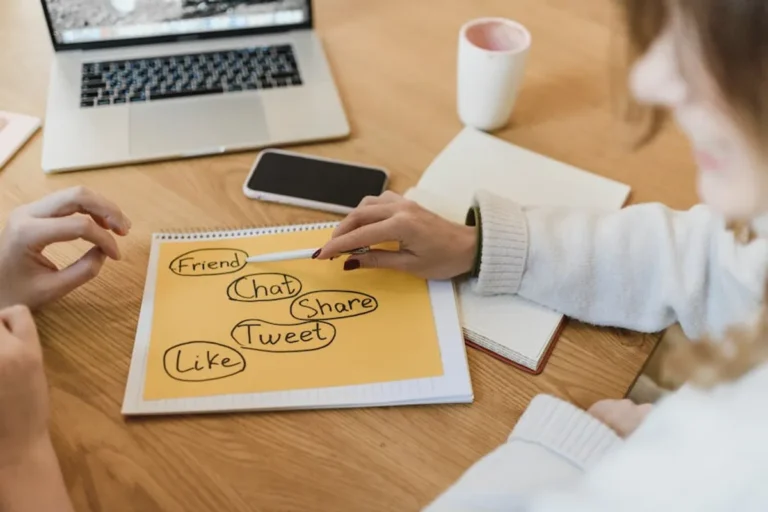

Selecting the right couple hashtag for an event extends beyond a simple social media tag; it functions as a digital anchor, unifying shared moments, photo galleries, and attendee interactions. A well-chosen hashtag transforms scattered posts into a cohesive digital album, making it effortless for guests to contribute and for the couple to revisit memories. This choice impacts visibility, recall, and the overall digital footprint of the occasion. The objective is to identify a hashtag that is memorable, relevant, unique, and easy to use, ensuring it serves as an effective tool for collecting and celebrating the event’s narrative. This choice impacts visibility, recall, and the overall digital footprint of the occasion, serving as an effective tool for collecting and sharing memories.
How to Choose Your Event Hashtag
The process of selecting an event hashtag requires a strategic approach to ensure it achieves its intended purpose: aggregating content and enhancing guest engagement. Begin by assessing the core characteristics of the couple and the event itself. Is the couple known for their humor, elegance, or a specific shared interest? Does the event have a distinct theme, location, or date that can be integrated? Uniqueness is paramount; a quick search across major social platforms will confirm if a potential hashtag is already in heavy use, which could dilute content aggregation. Memorability ensures guests can recall and use it without effort, while relevance ties it directly to the couple and the occasion, preventing confusion. Consider the hashtag's length and complexity; shorter, simpler phrases are generally more effective. Finally, evaluate its longevity—will it still resonate years from now, or is it tied to a fleeting trend?
1. Classic Name Combinations
This category focuses on straightforward integrations of the couple's first or last names, often combined with "The" or "And." Examples include #SmithAndJones, #MrAndMrsDoe, or #JohnLovesJane. The appeal lies in its immediate identification with the couple, making it universally understood by guests. This approach prioritizes clarity and directness, serving as a reliable choice for events where simplicity is preferred over elaborate wordplay. It directly communicates who the event is celebrating without requiring guests to decipher complex references.
Best for: Couples who prefer traditional, unambiguous identification and want a hashtag that is easy for all guests to remember and use. Ideal for formal weddings or engagements where a timeless feel is desired.
Pros:
- High recognition: Directly associates the hashtag with the couple's identity.
- Easy to remember: Simple structure reduces recall effort for guests.
- Timeless appeal: Avoids trends, ensuring relevance years after the event.
- Broad applicability: Works across various event types, from engagements to anniversaries.
Cons:
- Potential for commonality: If names are widespread, the hashtag might already be in use, leading to content dilution.
- Lacks distinctiveness: May not stand out among other event hashtags without additional elements.
- Limited creativity: Offers less opportunity for personalized humor or thematic integration.
Verdict: A dependable foundational choice, particularly effective when combined with a unique date or short, distinguishing word. Its strength is in its directness, though it requires verification for existing usage to maintain content exclusivity.
2. Playful Puns & Wordplay
This category leverages linguistic creativity, incorporating rhymes, alliteration, or clever twists on common phrases using the couple's names or event themes. Examples include #FinallyFowler (if one partner's name is Fowler), #AdamsAdventures, or #ToHaveAndToHolt. The objective is to create a hashtag that is not only memorable but also elicits a smile or a sense of delight, reflecting the couple's personality. This approach often leads to highly shareable and engaging content, encouraging guests to participate actively due to its unique charm.
Best for: Couples with a strong sense of humor, a playful disposition, or those looking to infuse their event with a lighthearted, memorable touch. Suitable for less formal events or those with a specific whimsical theme.
Pros:
- High memorability: Puns and clever phrases are often easier to recall.
- Increased engagement: Encourages guests to use the hashtag due to its unique and fun nature.
- Personalized touch: Reflects the couple's personality and creativity.
- Distinctive: Stands out from more generic options, reducing the chance of existing usage.
Cons:
- Can be polarizing: Humor is subjective; some puns might not resonate with all guests.
- Requires creativity: Crafting an effective pun requires more thought and effort.
- Potential for misinterpretation: If too obscure, guests might not understand the reference.
- May not age well: Some trendy wordplay can feel dated over time.
Verdict: Offers significant potential for personalization and engagement, provided the wordplay is clear, universally appealing to the guest list, and carefully checked for any unintended interpretations. Its success hinges on effective execution.
3. Date-Specific Hashtags
Integrating the event date directly into the hashtag provides an immediate, unique identifier that prevents overlap with other events, even those involving similar names. Examples include #SmithWedding2024, #JonesEst2025, or #ForeverOctober2023. This method ensures that all content associated with a specific date is aggregated, making it simple to retrieve photos and posts later. It also adds a definitive timestamp to the event, reinforcing its specific moment in time. This approach is particularly effective for events that are time-sensitive, such as weddings or milestone anniversaries.
Best for: Any couple seeking a clear, unambiguous, and unique hashtag. Especially useful for common surnames or when the desire is to emphasize the specific timing of the celebration.
Pros:
- Guaranteed uniqueness: The specific date (year, or even month/day) significantly reduces the chance of pre-existing use.
- Clear context: Immediately communicates the event's timing.
- Easy content retrieval: Simplifies searching for event-specific posts later.
- Structured and organized: Adds a layer of systematic identification to the event.
Cons:
- Less creative: May lack the personal charm or humor of more elaborate options.
- Can be lengthy: Adding a full date (e.g., #SmithWedding06242024) can make the hashtag cumbersome.
- Potential for redundancy: If the date is already clear from event communication, the hashtag might feel less essential.
Verdict: A highly practical and effective option for ensuring content exclusivity and discoverability. Its utility outweighs the lack of overt creativity, especially when combined with a concise name element.
4. Location-Specific Hashtags
This category incorporates the event's venue, city, or a significant geographic location into the hashtag, such as #HappilyEverAfterHawaii, #WeddingAtTheBiltmore, or #NYCnuptials. It grounds the event in a physical space, making it particularly relevant for destination weddings or events held at iconic venues. The location element provides a unique identifier, helping to differentiate the event from others and allowing guests to associate memories with a specific place. It also serves as a subtle nod to the event's setting, enhancing the overall narrative.
Best for: Destination weddings, events at unique or well-known venues, or couples who have a strong connection to a particular place they wish to highlight.
Pros:
- Unique identifier: Specific locations often create distinct hashtags, reducing overlap.
- Adds context: Immediately conveys where the event took place.
- Enhances theme: Can reinforce a destination or venue-specific event theme.
- Memorable for guests: Easy to recall if they attended the event at that location.
Cons:
- Limited utility for non-specific locations: Less impactful for events at generic venues.
- Can be lengthy: Detailed venue names might create long hashtags.
- May not resonate with guests unfamiliar with the location: Requires some prior knowledge.
- Potential for misspellings: Complex location names can lead to errors.
Verdict: Highly effective for events where the location plays a significant role in the celebration. It provides a strong contextual anchor, making content aggregation more precise and meaningful for attendees.
5. Event-Specific Themes
When an event has a distinct theme—be it rustic, vintage, modern, or a specific cultural celebration—incorporating this theme into the hashtag creates a cohesive narrative. Examples include #RusticRomance2024, #VintageVows, or #BohoBliss. This approach allows the hashtag to become an extension of the event's aesthetic and atmosphere, reinforcing the overall experience for guests. It also helps to differentiate the event and makes it more memorable by tying it to a specific visual or conceptual identity. The hashtag acts as a thematic signpost, guiding content contribution.
Best for: Couples who have invested in a strong, recognizable theme for their event and want to extend that theme into their digital presence. Ideal for creative or highly personalized celebrations.
Pros:
- Reinforces event identity: Strengthens the thematic consistency across all elements.
- Highly personalized: Reflects the couple's unique style and choices.
- Engaging: Encourages guests to align their posts with the event's theme.
- Distinctive: Less likely to be duplicated due to its specific thematic nature.
Cons:
- Requires a clear theme: Less effective if the event lacks a strong, defined concept.
- Can be niche: Might not be immediately understood by all guests if the theme is obscure.
- Potential for trendiness: Some themes might fall out of fashion, making the hashtag less timeless.
- Creativity dependent: Effectiveness relies on a well-chosen and concise theme descriptor.
Verdict: An excellent choice for events with a pronounced theme, as it seamlessly integrates the digital and physical aspects of the celebration. Its success depends on the clarity and broad appeal of the chosen theme.
6. Future-Focused Hashtags
This category involves hashtags that look ahead to the couple's married life or future together, often using terms like "Forever," "Journey," "Adventure," or "Chapter." Examples include #OurForeverStartsNow, #TheNextChapterSmith, or #AdventureAwaitsJones. These hashtags evoke a sense of anticipation and enduring commitment, framing the event not just as a single day but as the beginning of a lifelong journey. They carry an emotional resonance that can be particularly powerful for weddings and engagements, emphasizing the long-term significance of the union.
Best for: Couples who want to emphasize the longevity and future-oriented nature of their commitment. Ideal for weddings, engagements, and milestone anniversaries that celebrate enduring love.
Pros:
- Emotional resonance: Conveys a sense of lasting love and commitment.
- Positive outlook: Evokes anticipation and excitement for the future.
- Timeless sentiment: Focuses on universal themes of love and partnership.
- Versatile: Can be adapted with names or dates for added uniqueness.
Cons:
- Can be generic: Without personalization, phrases like "forever" can be overused.
- Less immediate identification: May not directly reference the couple's names, requiring more context.
- Might not be unique: Common future-focused phrases could already be in use.
- Requires careful phrasing: To avoid sounding cliché or overly sentimental.
Verdict: A meaningful option for conveying the depth of a couple's commitment, best when combined with specific names or dates to enhance uniqueness and direct relevance. It resonates well with guests focused on the couple's journey.
7. Pop Culture References
Leveraging popular movies, songs, books, or cultural trends within a hashtag can create an instantly recognizable and often humorous connection with guests. Examples include #YouHadMeAtHelloSmith (from Jerry Maguire), #AllYouNeedIsLoveJones (Beatles), or #TheForceIsStrongWithUs (Star Wars). This approach taps into shared cultural knowledge, making the hashtag highly relatable and generating immediate engagement. It allows the couple to showcase their personality and shared interests in a fun, accessible way, often sparking conversation among attendees.
Best for: Couples who share a strong passion for specific pop culture elements and whose guest list is likely to understand and appreciate these references. Ideal for informal or themed events.
Pros:
- High relatability: Taps into shared cultural understanding, fostering immediate connection.
- Memorable: Iconic phrases are easily recalled and used.
- Personalized: Reflects the couple's unique interests and sense of humor.
- Generates engagement: Encourages guests to participate and share their appreciation for the reference.
Cons:
- Can be polarizing: Not all guests may understand or appreciate the reference.
- Potential for aging: Pop culture trends can become dated, making the hashtag less relevant over time.
- Copyright/trademark concerns (minimal for personal use, but good to note for commercial use): While unlikely to be an issue for personal event hashtags, it's a consideration in broader contexts.
- Requires careful selection: The reference must be positive and appropriate for the event.
Verdict: A high-reward option for couples confident in their guests' shared cultural literacy. It adds a layer of fun and personality, but requires careful consideration of its potential for broad appeal and longevity.
8. Personalized Inside Jokes
This category involves incorporating a specific, often humorous, reference that is unique to the couple's relationship and understood by their close circle. Examples might include #TheirFirstDateAtTheCoffeeShop, #HeProposedOnTheMountain, or #FinallySaidYesToHim. These hashtags create an intimate connection, making guests who are "in the know" feel a deeper part of the celebration. While less universally accessible, their exclusivity enhances the personal touch and can spark warm, nostalgic conversations among those who understand the reference.
Best for: Couples with a tight-knit group of friends and family who share a deep understanding of their unique relationship milestones or humor. Best for intimate gatherings where guest familiarity is high.
Pros:
- Deeply personal: Creates an intimate connection with guests who understand the reference.
- Unique and exclusive: Highly unlikely to be duplicated, ensuring content exclusivity.
- Conversation starter: Can prompt guests to share stories related to the inside joke.
- Authentic reflection: Showcases the true personality and history of the couple.
Cons:
- Limited understanding: Guests outside the immediate circle may not grasp the reference, leading to less engagement.
- Can be obscure: Might not effectively aggregate content if guests don't understand its meaning.
- Requires careful vetting: Ensure the joke is appropriate and inclusive for all guests.
- Potentially lengthy: Inside jokes can sometimes require more words to convey.
Verdict: Offers unparalleled personalization and warmth for events with a highly familiar guest list. Its effectiveness is directly tied to the guests' shared understanding, making it less suitable for very large or diverse gatherings.
9. Short & Sweet Options
Focusing on brevity and conciseness, these hashtags are typically one or two words, often a combination of names or a significant term. Examples include #SmithsSayIDo, #ForeverJones, or #LoveWins. The primary advantage is ease of use and memorability; shorter hashtags reduce the chance of typos and are quicker to type. They prioritize impact and efficiency, ensuring that guests can effortlessly contribute content without friction. This approach is about maximizing usability through simplicity.
Best for: Couples prioritizing ease of use, high memorability, and minimal friction for guest participation. Ideal for events with a broad guest list where simplicity is key.
Pros:
- High memorability: Shorter phrases are easier to recall and type.
- Reduced typos: Fewer characters mean less room for error.
- Quick to use: Encourages more frequent participation from guests.
- Impactful: Concise language can be very effective in conveying a message.
Cons:
- Potential for commonality: Shorter, simpler phrases are more likely to be already in use.
- Less descriptive: May not convey as much specific information as longer options.
- Requires strong uniqueness check: Essential to verify exclusivity due to brevity.
- Limited creative scope: Less room for elaborate wordplay or detailed references.
Verdict: A highly practical choice for maximizing guest engagement through simplicity. Its success depends heavily on rigorous pre-event checks to ensure the chosen short phrase is truly unique to the couple's event.
10. Elegant & Sophisticated Choices
This category encompasses hashtags that convey a sense of refinement, grace, and timelessness, often using words like "Affair," "Union," "Celebration," or "Enchanted." Examples include #TheSmithAffair, #JonesGrandUnion, or #OurEnchantedEvening. These hashtags align with formal events, black-tie affairs, or celebrations aiming for a classic, understated elegance. They contribute to the overall sophisticated ambiance of the event, ensuring that the digital representation mirrors the physical experience. The language chosen is often elevated, avoiding colloquialisms.
Best for: Couples planning formal weddings, galas, or anniversaries where a refined and sophisticated atmosphere is paramount. Suitable for events with a classic, timeless aesthetic.
Pros:
- Enhances event tone: Aligns perfectly with formal and elegant event aesthetics.
- Timeless appeal: Avoids trendy language, ensuring long-term relevance.
- Conveys sophistication: Elevates the perceived formality of the celebration.
- Professional feel: Can be suitable for events with a public-facing component.
Cons:
- Less playful: May not suit couples seeking a more humorous or casual vibe.
- Can be generic: Some elegant terms might be overused, requiring careful combination with names/dates.
- Might feel impersonal: If not carefully crafted, it could lack a distinct personal touch.
- Requires careful phrasing: To avoid sounding pretentious or overly formal.
Verdict: An excellent choice for events where elegance and tradition are key. It effectively sets a sophisticated tone for digital content, provided it is customized sufficiently to reflect the couple's unique identity.
11. Cultural & Heritage-Inspired
Incorporating elements from a couple's cultural background, heritage, or specific traditions into the hashtag creates a deeply personal and meaningful identifier. Examples might include #DesiWeddingSmith, #IrishNuptialsJones, or #CelebratingOurRoots. This approach honors the couple's origins, making the hashtag a celebration of their shared or individual heritage. It resonates strongly with guests who share similar backgrounds and provides an opportunity to educate and share cultural richness with others. These hashtags often carry significant symbolic weight.
Best for: Couples from diverse backgrounds, those celebrating multicultural unions, or individuals keen to highlight their heritage as a central theme of their event. Ideal for culturally rich ceremonies.
Pros:
- Deeply personal and meaningful: Honors heritage and cultural identity.
- Unique and distinctive: Less likely to be replicated by others.
- Educational and inclusive: Can share cultural richness with all guests.
- Strong emotional connection: Resonates powerfully with those who share the heritage.
Cons:
- Requires cultural sensitivity: Must be respectful and accurately represent the heritage.
- Potential for misunderstanding: Guests unfamiliar with the culture might not grasp the full meaning.
- Can be specific: May not appeal to a very broad audience if the cultural reference is niche.
- Length considerations: Some cultural phrases might be longer.
Verdict: A powerful and unique option for couples wishing to infuse their event with cultural significance. It creates a rich, meaningful digital footprint, provided the cultural elements are clearly and respectfully integrated.
12. Action-Oriented Hashtags
These hashtags use verbs or action phrases to encourage participation or describe the event's dynamic nature. Examples include #LetsGetMarriedSmith, #JonesTieTheKnot, or #CelebratingTheDoeUnion. The use of active language creates a sense of excitement and immediacy, prompting guests to engage with the event in real-time. This approach is about creating a dynamic and interactive digital space, where the hashtag itself suggests action and celebration. It can make the event feel more vibrant and participatory.
Best for: Energetic couples who want to foster an active and celebratory atmosphere. Suitable for lively events where guest participation and real-time sharing are highly encouraged.
Pros:
- Encourages engagement: Active verbs prompt guests to share and participate.
- Dynamic and exciting: Conveys a sense of energy and celebration.
- Memorable