
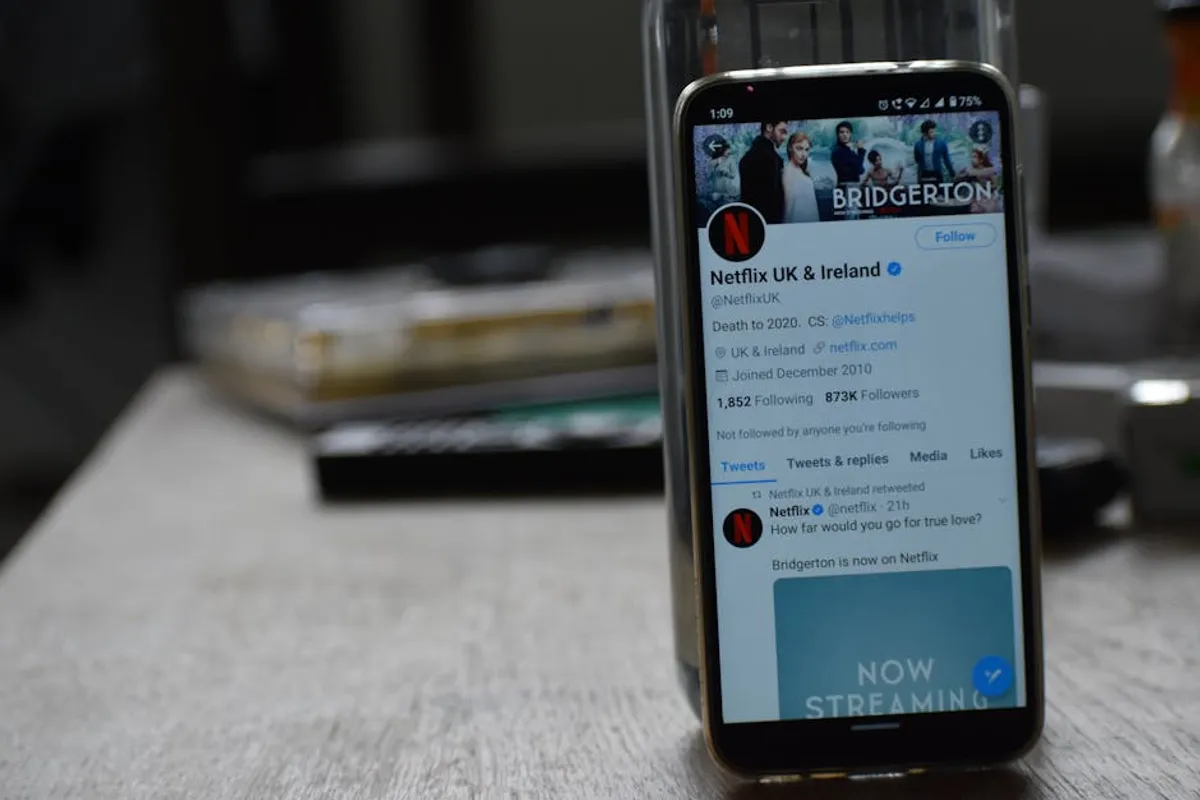
Running a successful Twitter/X hashtag campaign involves more than simply appending a # symbol to a relevant keyword. It requires strategic planning, meticulous execution, and continuous optimization to achieve specific marketing objectives. For marketers, agencies, and site owners, a well-structured hashtag campaign can significantly amplify reach, drive engagement, and provide measurable insights into audience sentiment and campaign performance. The core decision lies in moving beyond opportunistic trending topic engagement towards a data-driven approach that aligns with broader business goals, whether that's increasing brand awareness, driving traffic, or generating leads. Moving beyond opportunistic trending topic engagement towards a data-driven approach that aligns with broader business goals is key to running a successful Twitter/X hashtag campaign.
Defining Campaign Objectives and Metrics
Before selecting a hashtag or drafting content, clearly define what the campaign aims to achieve. Vague goals like "get more engagement" lead to unquantifiable results and difficulty in demonstrating ROI.
Setting SMART Goals for Hashtags
Campaign goals should be SMART: Specific, Measurable, Achievable, Relevant, and Time-bound. For instance, instead of "increase brand awareness," a SMART goal would be "achieve 5 million impressions for #YourBrandCampaign by the end of Q3 through organic and paid X promotion." This provides a clear target and a timeframe for evaluation.
Examples of specific objectives:
- Brand Awareness: Increase unique reach and impressions for a new product launch.
- Engagement: Drive a specific number of replies, retweets, or quote tweets on campaign posts.
- Lead Generation: Generate a measurable volume of website clicks or sign-ups attributed to the campaign hashtag.
- Event Promotion: Increase registration or attendance for a virtual or in-person event.
- Customer Feedback: Solicit specific product feedback or testimonials.
Key Performance Indicators (KPIs)
Associate each objective with quantifiable KPIs. These metrics will dictate the tools and reporting methods used throughout the campaign. Common KPIs include:
- Reach: The number of unique users who saw your content.
- Impressions: The total number of times your content was displayed.
- Engagement Rate: The percentage of users who interacted with your content (likes, replies, retweets, clicks).
- Mentions: The number of times your campaign hashtag or brand handle was used.
- Website Clicks: The number of users who clicked through to a landing page from your X posts.
- Sentiment: The overall positive, negative, or neutral tone of conversations around your hashtag.
Hashtag Selection and Research
The chosen hashtag acts as the campaign's identifier and primary tracking mechanism. Its effectiveness depends on relevance, memorability, and uniqueness.
Brainstorming Initial Concepts
Start by brainstorming terms directly related to your campaign's theme, product, or message. Consider brand names, taglines, event names, or unique selling propositions. Aim for concise, easy-to-spell, and memorable options.
Competitor and Industry Analysis
Examine hashtags used by competitors and industry leaders. Identify what resonates with their audiences and what appears oversaturated. This helps in finding gaps or refining your approach. Look for adjacent terms or topics that your target audience frequently discusses.
Verifying Uniqueness and Relevance
Before committing, search X directly for your proposed hashtags. Check for:
- Prior Usage: Ensure the hashtag hasn't been used for unrelated, negative, or controversial topics.
- Volume: A completely unused hashtag might struggle to gain traction, but an overly popular one can dilute your message. Aim for a balance.
- Clarity: Avoid ambiguity or potential for misinterpretation.
- Length: Shorter hashtags are generally easier to remember and type, leaving more room for tweet content.
Warning: Never adopt a trending hashtag without thoroughly investigating its origin and current context. Hashtags can quickly shift meaning or become associated with unforeseen controversies, potentially damaging your brand's reputation.
Crafting Engaging Content
Even the best hashtag will fail without compelling content that encourages interaction and sharing.
Visuals and Multimedia Integration
Posts with visuals consistently outperform text-only updates. Incorporate high-resolution images, short video clips, animated GIFs, or custom graphics that directly relate to your message. Ensure visuals are optimized for X's display ratios and file sizes.
Call to Action (CTA) Clarity
Every campaign post should guide the audience on what to do next. Whether it's "Retweet if you agree," "Click the link to learn more," "Share your thoughts using #YourCampaign," or "Vote in our poll," the CTA must be explicit. A clear CTA increases the likelihood of desired actions.
Content Cadence and Scheduling
Develop a content calendar outlining post frequency, timing, and specific content themes. Consistency is key, but avoid over-posting, which can lead to audience fatigue. Schedule posts during peak activity times for your target audience, which can be identified through X Analytics or third-party tools.
Promotion and Amplification
Initial seeding and sustained promotion are crucial for a hashtag campaign to gain momentum.
Leveraging Influencers and Partners
Identify relevant micro-influencers or brand advocates whose audience aligns with yours. Collaborate with them to promote your hashtag through their channels. This provides authentic reach and credibility. Similarly, if working with partners, ensure they integrate the hashtag into their promotional efforts.
Cross-Platform Promotion
Don't limit your hashtag to X. Promote it across all your digital channels: Instagram, Facebook, LinkedIn, email newsletters, blog posts, and even offline materials. This reinforces the campaign and directs diverse audiences to the X conversation.
Paid Promotion Strategies
X Ads can significantly amplify your hashtag's reach and engagement. Consider Promoted Trends, Promoted Tweets, or targeting specific audiences with your campaign content. Allocate budget strategically based on your campaign objectives and target KPIs.
Monitoring and Optimization
A campaign isn't static; it requires real-time monitoring and agile adjustments.
Real-Time Tracking Tools
Utilize X's native analytics and third-party social listening tools to track hashtag performance. Monitor metrics like impressions, reach, engagement rate, top contributors, and geographic distribution. Pay attention to sudden spikes or drops in activity.
Sentiment Analysis
Beyond quantitative metrics, understand the qualitative aspects of conversations around your hashtag. Tools that offer sentiment analysis can help gauge public perception. Address negative sentiment promptly and constructively, and amplify positive feedback.
Iterative Adjustments
Based on monitoring data, be prepared to adjust your strategy mid-campaign. This could involve:
- Tweaking content types that perform poorly.
- Adjusting posting times.
- Reallocating ad spend to better-performing creatives or audiences.
- Engaging directly with influential participants.
- Addressing emerging themes in the conversation.
Practical Campaign Execution Checklist
To ensure a smooth and effective hashtag campaign, consider these actionable steps:
- Define clear, measurable SMART objectives before launch.
- Conduct thorough research to select a unique, relevant, and memorable hashtag.
- Develop a diverse content plan incorporating visuals and clear CTAs.
- Create a detailed content calendar with scheduled posts and themes.
- Identify and onboard influencers or partners for amplification.
- Integrate cross-platform promotion for maximum visibility.
- Allocate and manage a budget for paid promotion on X.
- Set up real-time monitoring for key metrics and sentiment.
- Establish a process for agile content and strategy adjustments.
- Plan for post-campaign reporting and analysis to inform future efforts.
Frequently Asked Questions
How long should a Twitter/X hashtag campaign run?
The duration depends on the campaign's objectives. Short-term campaigns (1-3 days) are effective for event promotion or flash sales, while longer campaigns (weeks to months) suit brand awareness or ongoing content series. Maintain engagement for the duration to sustain momentum.
How many hashtags should I use per post on X?
For optimal engagement and clarity, aim for 1-3 highly relevant hashtags per post. Overloading posts with too many hashtags can appear spammy and dilute your primary message, reducing overall impact.
What should I do if my campaign hashtag isn't gaining traction?
First, review your content for engagement quality and clarity of CTA. Consider increasing promotion through paid ads or by engaging more directly with key accounts. Re-evaluate if the hashtag itself is too niche or too generic, and be prepared to pivot or amplify with related, more active hashtags.
Can I use the same hashtag across different social media platforms?
Yes, using a consistent hashtag across platforms can unify your campaign message and allow for cross-platform tracking. However, tailor your content and posting frequency to each platform's unique audience and best practices, even when using the same hashtag.